
Protecting your children’s oral health from an early age is essential for healthy teeth, strong gums, and a confident smile. Good dental habits help prevent tooth decay, gum problems, and other oral health issues that can affect a child’s comfort and development.
Parents play an important role in teaching children how to care for their teeth. From daily brushing to healthy eating and regular dental visits, small steps can make a significant difference to your child’s long-term oral health.
1. Start Oral Care from an Early Age
Children’s dental care should begin before their first tooth appears. Gently clean your baby’s gums with a soft, damp cloth to maintain cleanliness and introduce an oral care routine.
When the first tooth emerges, use a small, soft-bristled toothbrush and an age-appropriate amount of fluoride toothpaste. Brush your child’s teeth twice daily, particularly before bedtime.
Young children often lack the coordination needed to brush effectively on their own. Parents should supervise and assist with brushing until their child can clean every tooth surface properly.
Starting early helps children become familiar with oral hygiene and establishes habits that can last a lifetime.
2. Encourage Healthy Eating Habits
A balanced diet supports healthy teeth and overall development. Frequent consumption of sugary foods and drinks increases the risk of tooth decay because oral bacteria produce acids that weaken tooth enamel.
Encourage your children to eat nutritious foods, including vegetables, fruits, whole grains, and dairy products where appropriate.
Water is an excellent everyday drink. Fluoridated tap water, where available, can also help strengthen tooth enamel and protect against cavities.
Try to limit sugary snacks, soft drinks, and frequent grazing throughout the day. Establishing regular meal and snack times can reduce repeated exposure to sugars and acids.
3. Make Brushing and Flossing a Daily Routine
Consistent oral hygiene is one of the most effective ways to prevent dental problems. Encourage your child to brush twice daily with fluoride toothpaste and clean between teeth when they touch.
Make brushing enjoyable by using a timer, playing a favourite song, or choosing a toothbrush with a fun design.
Parents should check their children’s brushing technique and ensure they clean the front, back, and chewing surfaces of every tooth.
As children grow and their teeth become closer together, flossing or using suitable interdental cleaners can help remove plaque from areas a toothbrush cannot reach.
4. Schedule Regular Dental Check-Ups
Regular dental visits help identify potential problems before they become more serious. A dentist can check for cavities, assess gum health, monitor tooth development, and recommend suitable preventive treatments.
In Australia, children should generally have their first dental visit when their first tooth appears or by their first birthday.
The frequency of subsequent visits depends on your child’s oral health and individual risk factors. Your dentist can recommend an appropriate schedule.
Early dental visits also help children become comfortable with the dental environment, reducing anxiety and encouraging positive attitudes towards future appointments.
5. Protect Teeth During Sports and Play
Children who participate in contact sports or activities involving falls may benefit from wearing a properly fitted mouthguard.
Mouthguards help reduce the risk of injuries to teeth and surrounding soft tissues. Ask your dentist which option is suitable for your child’s sport.
If your child chips, breaks, or knocks out a permanent tooth, seek urgent dental advice. Quick action can improve the chances of successful treatment.
6. Recognise Early Signs of Dental Problems
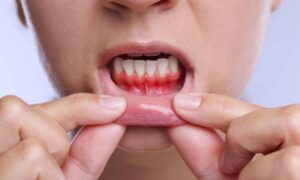
Parents should look for warning signs such as tooth sensitivity, persistent toothache, swollen gums, bleeding during brushing, or visible dark spots on teeth.
Children may not always explain their discomfort clearly, so changes in eating habits, sleep, or willingness to brush can also deserve attention.
If you notice these symptoms, arrange a dental assessment rather than waiting for the problem to worsen.
Conclusion
Protecting your children’s oral health starts with simple habits practised every day. Regular brushing, healthy eating, adequate fluoride exposure, dental check-ups, and protection during sports can help reduce the risk of common dental problems.
By encouraging good habits early and leading by example, parents can help children develop a positive attitude towards dental care. These small efforts can support healthier teeth, stronger gums, and confident smiles throughout childhood and beyond.