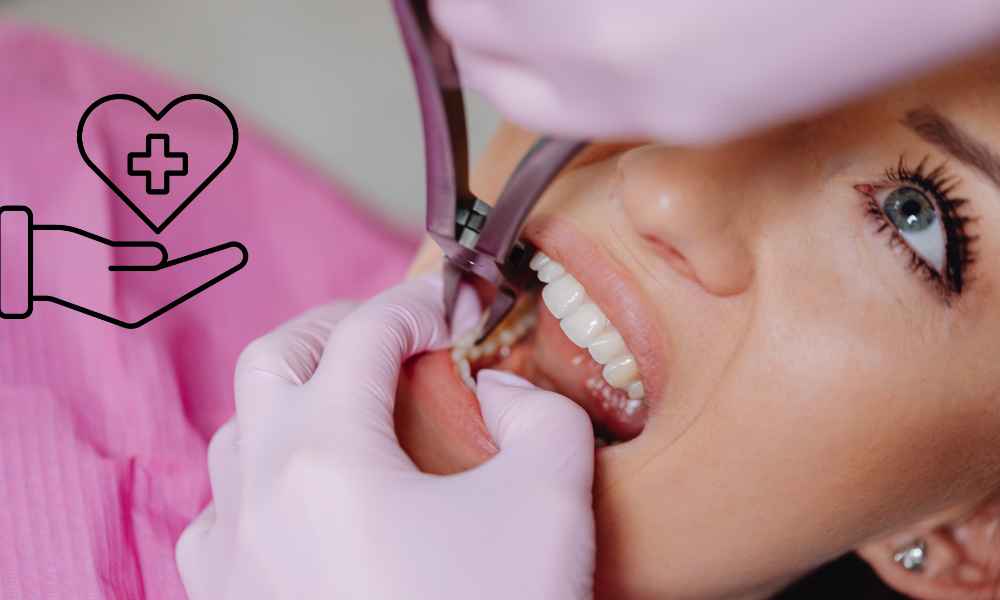
Having a tooth extracted is a common dental procedure, but proper aftercare is essential for a smooth recovery. Whether you have had a wisdom tooth removed or a damaged tooth extracted, following the right aftercare instructions can help reduce pain, prevent infection and support faster healing.
One of the most important things after tooth extraction is protecting the blood clot that forms in the empty tooth socket. This clot helps the wound heal and protects the underlying bone and nerves.
In this guide, we explain what to eat, what to avoid and which warning signs you should never ignore after tooth extraction.
What to Do After Tooth Extraction
The first 24 hours are particularly important for recovery. Your dentist will provide specific instructions depending on the type of extraction.
Here are some essential aftercare tips:
- Rest properly: Avoid strenuous activities, heavy lifting and exercise for at least 24 hours.
- Protect the blood clot: Avoid disturbing the extraction site with your tongue or fingers.
- Use gauze if needed: Bite gently on the gauze provided by your dentist to control bleeding.
- Apply an ice pack: Use a cold pack on the outside of your cheek to help reduce swelling.
- Keep your head elevated: Use an extra pillow when resting to help manage swelling.
- Follow medication instructions: Take prescribed pain relief or other medication as directed by your dentist.
Avoid rinsing, spitting forcefully or using a straw during the first 24 hours, as these actions may dislodge the blood clot.
What to Eat After Tooth Extraction
Choosing the right foods can make recovery more comfortable. Soft, nutritious foods are generally best because they require minimal chewing and are less likely to irritate the extraction site.
1. Yoghurt
Plain yoghurt is an excellent option after tooth extraction. It is soft, easy to swallow and provides protein and calcium. Choose smooth yoghurt without nuts, seeds or crunchy toppings.
2. Mashed Potatoes
Mashed potatoes are filling, soft and easy to eat. Allow them to cool to a lukewarm temperature before eating.
3. Scrambled Eggs
Soft scrambled eggs provide protein, which supports the body’s natural healing process. Make sure they are not too hot or dry.
4. Smoothies
Smoothies made with bananas, yoghurt and milk can provide essential nutrients. However, avoid using a straw. Drink directly from a cup using small sips.
5. Soup
Smooth soups are another good choice because they are easy to consume. Make sure the soup is lukewarm rather than hot, and avoid chunky ingredients during the early recovery period.
6. Soft Fruits
Mashed bananas, applesauce and ripe avocado are gentle options that provide vitamins and nutrients.
As your mouth heals, you can gradually return to your normal diet based on your comfort and your dentist’s advice.
What to Avoid After Tooth Extraction
Some foods and activities can irritate the extraction site, increase bleeding or disturb the blood clot.
Here are some things to avoid during the initial healing period:
1. Hard and Crunchy Foods
Avoid chips, nuts, popcorn, hard biscuits and crunchy snacks. These foods can damage the healing area or become trapped inside the extraction socket.
2. Spicy Foods
Spicy meals may irritate the extraction site and cause discomfort. It is best to choose mild foods until the wound has healed sufficiently.
3. Hot Drinks and Foods
Avoid very hot tea, coffee, soup and other foods during the initial recovery period. Heat can increase discomfort and may contribute to bleeding.
4. Alcohol
Avoid alcohol during the initial recovery period, particularly while taking prescribed medication. Alcohol may interfere with healing and interact with certain medicines.
5. Smoking and Vaping
Smoking and vaping can delay healing and increase the risk of dry socket. Avoid them during recovery and follow your dentist’s advice about when it is safe to resume.
6. Drinking Through a Straw
The suction created when using a straw can dislodge the blood clot and lead to a painful condition called dry socket.
When Should You Worry After Tooth Extraction?
Some discomfort, mild bleeding and swelling are normal after tooth extraction. However, certain symptoms may indicate a complication that needs dental attention.
Contact your dentist if you experience any of the following:
- Severe or Increasing Pain: Pain should generally begin to improve after the first few days. Severe pain that develops or worsens, particularly around days two to five, may indicate dry socket.
- Persistent Bleeding: Slight blood staining is common initially. However, bleeding that does not stop after applying firm, continuous pressure with clean gauze requires urgent dental advice.
- Increasing Swelling: Some swelling is expected, but swelling that continues to increase after the first few days, particularly with fever or pain, may indicate infection.
- Fever or Pus: A fever, pus, unpleasant taste or discharge around the extraction site may be signs of infection.
- Difficulty Swallowing or Breathing: This requires immediate emergency medical attention, as it may indicate a serious complication.
Do not ignore unusual symptoms. Contact your dentist promptly if you are concerned about your recovery.
How Long Does It Take to Recover After Tooth Extraction?
Recovery time depends on the complexity of the extraction, your general health and how well you follow aftercare instructions.
Here is a general recovery timeline:
- First 24 hours: A blood clot forms, and some bleeding and discomfort are normal.
- Days 2–3: Swelling and discomfort may be noticeable but should generally begin improving.
- Days 4–7: Pain and swelling usually reduce, and normal activities become easier.
- One to two weeks: The gum tissue continues to heal, although more complex extractions may take longer.
- Several weeks to months: The underlying bone gradually remodels and heals.
Wisdom tooth removal and surgical extractions may require a longer recovery period.
Final Thoughts
Proper tooth extraction aftercare plays an important role in preventing complications and supporting a comfortable recovery. Eat soft foods, avoid smoking, stay away from hard and crunchy meals, and protect the blood clot during the first few days.
Most importantly, follow your dentist’s instructions and seek professional advice if you experience severe pain, persistent bleeding, fever or increasing swelling.
With the right care and attention, you can support a smoother recovery and return to your normal eating habits as your mouth heals.