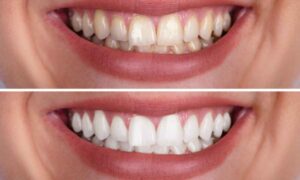

Regular dental check-ups are an important part of maintaining healthy teeth and gums. Even if your teeth feel fine, dental problems can sometimes develop without noticeable symptoms. Routine visits allow your dentist to identify potential issues early and provide advice to help maintain your oral health.
But how often should you actually visit the dentist? The answer can depend on your age, oral health, lifestyle and individual risk factors.
How Often Should You Have a Dental Check-Up?
For many people, visiting the dentist every six months is a useful routine. However, there is no single schedule that works for everyone.
Some people may need dental appointments more frequently if they have:
- A history of tooth decay
- Gum disease
- Frequent dental problems
- Dental restorations such as crowns or fillings
- Orthodontic treatment
- Poor oral hygiene
- Certain medical or lifestyle risk factors
Your dentist can recommend a suitable check-up schedule based on your individual needs.
Why Are Regular Dental Check-Ups Important?
A dental check-up is about more than simply checking for cavities. Your dentist can assess the overall condition of your teeth, gums and mouth.
1. Detect Tooth Decay Early
Small cavities may not cause pain in the early stages. During a dental examination, your dentist can look for signs of decay and determine whether treatment is required.
Treating decay early can often help prevent the problem from becoming more serious.
2. Check Your Gums
Healthy gums are essential for maintaining your teeth. Your dentist can check for signs of gum inflammation, bleeding, swelling and other changes that may indicate gum disease.
Early detection can make it easier to manage gum problems before they progress.
3. Professional Teeth Cleaning
Plaque and tartar can build up in areas that are difficult to clean effectively at home. Professional dental cleaning can remove accumulated deposits and help keep your teeth and gums cleaner.
Your dentist or dental professional can also provide advice on brushing, flossing and other oral hygiene habits.
4. Identify Potential Problems Before They Cause Pain
Many dental problems can develop without obvious symptoms. Waiting until you experience severe pain may mean that a condition has already progressed.
Regular examinations can help identify potential problems earlier, allowing you to discuss treatment options with your dentist.
What Happens During a Dental Check-Up?
A routine dental appointment is generally straightforward. Your dentist may examine your teeth and gums and ask about any concerns you have noticed.
Depending on your circumstances, the appointment may include:
- Examination of your teeth
- Gum health assessment
- Checking existing fillings, crowns or other dental work
- Professional cleaning
- Assessment of plaque and tartar
- Discussion of oral hygiene
- X-rays when clinically appropriate
Your dentist will explain any issues they find and recommend appropriate treatment if necessary.
Do I Need to Visit the Dentist If My Teeth Don’t Hurt?
Yes. The absence of pain does not necessarily mean your teeth and gums are completely healthy.
Some dental conditions can remain unnoticed until they become more advanced. Regular check-ups provide an opportunity for your dentist to identify changes that you may not notice yourself.
This is one reason preventive dental care is important.
Signs You Should See a Dentist Sooner
You should not necessarily wait for your next scheduled check-up if you develop a dental concern.
Consider making an appointment if you experience:
- Persistent toothache
- Sensitive teeth
- Bleeding or swollen gums
- Bad breath that does not improve
- Pain when chewing
- A chipped or cracked tooth
- Loose teeth
- Swelling around a tooth or gum
- Changes in your bite
- Problems with an existing filling, crown or other restoration
Getting dental problems assessed early can help you understand what is causing the symptoms and what treatment may be appropriate.
How Can You Maintain Your Oral Health Between Check-Ups?
Dental visits are only one part of maintaining healthy teeth and gums. Your daily habits also matter.
1. Brush Twice a Day
Brush your teeth twice a day using fluoride toothpaste. Take enough time to clean all surfaces of your teeth rather than brushing quickly.
2. Clean Between Your Teeth
Floss or use another dentist-recommended interdental cleaning method to remove plaque and food particles from areas your toothbrush may not reach effectively.
3. Limit Sugary Foods and Drinks
Frequent consumption of sugary foods and drinks can increase the risk of tooth decay. Try to limit how often you consume them and maintain a balanced diet.
4. Don’t Ignore Dental Symptoms
If something feels different, such as ongoing sensitivity, discomfort or bleeding gums, speak with your dentist rather than waiting for your next routine appointment.
How Often Should Children Visit the Dentist?
Children also benefit from regular dental care. Early dental visits can help monitor the development of their teeth, identify potential problems and encourage good oral hygiene habits.
Parents should follow the schedule recommended by their child’s dental professional, as the appropriate frequency can vary depending on the child’s oral health and individual needs.
Introducing children to regular dental appointments can also help them become comfortable with dental care as they grow.
What About Older Adults?
Dental care remains important throughout adulthood and later life. Older adults may have additional dental considerations, including tooth wear, gum problems, dry mouth or issues with existing dental restorations.
Regular check-ups allow these concerns to be monitored and managed appropriately.
The Importance of Personalised Dental Care
There is no universal answer to how often everyone should visit the dentist. While six-monthly check-ups are a common routine for many people, some may benefit from more frequent appointments.
Your dentist can assess your oral health and recommend a schedule based on your specific needs.
Book a Dental Check-Up in Ryde
Regular dental check-ups can help you stay on top of your oral health and identify potential problems before they become more complicated. Even if you have no current symptoms, a routine examination can provide reassurance and help you maintain healthy teeth and gums.
If you’re looking for a dentist in Ryde, Top Ryde Dentists provides dental care for individuals and families, with services designed to support ongoing oral health.
Book a dental check-up today and speak with your dentist about the right appointment schedule for your needs.