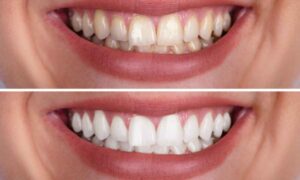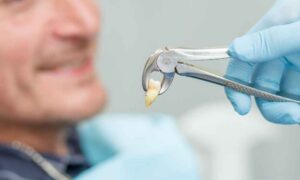

Missing teeth can affect more than just your smile. They can make eating uncomfortable, affect speech and confidence, and may make it harder to maintain your overall oral health. Dental implants are one option for replacing missing teeth and creating a stable foundation for an artificial tooth.
If you are considering dental implants in Ryde, understanding the treatment process, suitability, recovery and ongoing care can help you make a more informed decision.
What Are Dental Implants?
A dental implant is a small post, commonly made from titanium or another biocompatible material, that is placed into the jawbone to replace the root of a missing tooth. Once the implant has integrated with the bone, it can support a dental crown, bridge or denture.
Top Ryde Dentists explains that implants can be used to replace individual missing teeth as well as support partial or complete tooth replacements.
Unlike removable dentures, an implant is secured within the jaw, providing a stable foundation for the replacement tooth.
Who May Be Suitable for Dental Implants?
Dental implants are not automatically suitable for everyone. Your dentist will need to assess your teeth, gums, jawbone and general oral health before recommending treatment.
Factors that may be considered include:
- The number and location of missing teeth
- Available jawbone density
- Gum health
- Existing dental conditions
- Your general medical history
- Smoking and lifestyle factors
- Your ability to maintain good oral hygiene
A detailed examination and appropriate imaging may be required to determine whether there is enough bone to support the implant.
If there is insufficient bone, your dentist may discuss additional procedures, such as bone grafting, before implant placement.
What Is the Dental Implant Process?
Dental implant treatment usually takes place over several stages rather than being completed in a single appointment.
1. Initial Consultation
Your dentist will examine your mouth, discuss your concerns and determine whether implants could be an appropriate option for you.
This is also the time to ask questions about the procedure, expected treatment time, costs and alternatives.
2. Implant Placement
The implant is surgically positioned into the jawbone. The area then needs time to heal and for the implant to integrate with the surrounding bone.
3. Healing and Integration
This is an important part of the process. The implant needs to become securely integrated with the jawbone before the final restoration is attached.
The length of this stage varies depending on the individual case.
4. Crown or Restoration Placement
Once the implant has healed sufficiently, a custom-made crown, bridge or denture can be attached. The goal is to create a replacement that works comfortably and blends naturally with your existing teeth.
Top Ryde Dentists describes the treatment as a three-stage process involving base insertion, post attachment and crown placement.
How Long Do Dental Implants Take?
There is no single timeline for every patient. Some treatments may be relatively straightforward, while others require additional procedures or a longer healing period.
Your dentist will provide a personalised treatment plan after assessing your individual situation.
It is important not to rush the healing stage. Allowing the implant to properly integrate with the jawbone is an important part of achieving a stable result.
What Are the Benefits of Dental Implants?
For suitable patients, dental implants can provide several potential benefits.
- Improved Stability: Because the implant is anchored into the jawbone, the replacement tooth can feel more stable than a removable denture.
- Natural Appearance: A carefully designed dental crown can be made to match the appearance of your surrounding teeth.
- Improved Chewing: Replacing a missing tooth with a stable restoration can make eating more comfortable.
- Support for Multiple Teeth: Implants may also be used to support bridges or implant-retained dentures when several teeth are missing.
- Support for Your Smile: Replacing missing teeth can help restore your smile and may improve confidence in social and professional situations.
Is Dental Implant Treatment Painful?
Dental implant placement is performed using anaesthesia to keep you comfortable during the procedure. Some soreness, swelling or discomfort can occur after treatment as the area heals.
Your dentist will provide specific aftercare instructions based on your procedure. Following these instructions carefully can help support recovery.
If you experience unusual or severe symptoms after treatment, contact your dental provider promptly.
How Much Do Dental Implants Cost in Ryde?
The cost of dental implants varies from patient to patient. There is no single price because treatment may involve different numbers of implants, types of restorations and additional procedures.
During your consultation, ask for a detailed breakdown of the proposed treatment so you understand what is included in the cost.
It is also worth asking about:
- Consultation and diagnostic fees
- Implant placement
- Crown or restoration costs
- Additional procedures such as bone grafting
- Follow-up appointments
- Available payment options
- Private health insurance rebates, if applicable
Getting a clear treatment plan and quote before starting can help you budget more confidently.
How Should You Care for Dental Implants?
Dental implants still require regular care. Although the replacement tooth itself cannot develop tooth decay like a natural tooth, the surrounding gums and tissues need to remain healthy.
Good implant care generally includes:
- Brushing your teeth regularly
- Cleaning between your teeth
- Following your dentist’s hygiene recommendations
- Attending regular dental check-ups
- Maintaining healthy gums
- Avoiding habits that could damage your teeth or restoration
Your dentist can recommend the most appropriate brushing and interdental cleaning techniques for your individual situation.
Questions to Ask Your Dentist Before Treatment
Before committing to dental implant treatment, consider asking:
- Am I a suitable candidate for dental implants?
- Will I need bone grafting or other additional treatment?
- How many appointments will I need?
- How long is the expected healing period?
- What type of implant and restoration is recommended?
- What will the total treatment cost be?
- What alternatives are available?
- What aftercare will I need?
- How should I maintain the implant long term?
A good consultation should give you a clear understanding of your options and what to expect throughout the treatment.
Choosing a Dentist for Dental Implants in Ryde
Choosing the right dental provider is an important part of the process. Look for a practice that can assess your individual needs, clearly explain your treatment options and provide appropriate follow-up care.
Top Ryde Dentists provides dental implant treatment in Ryde and has information available about implant options, the treatment process and post-operative care.
Ready to Explore Dental Implants in Ryde?
If you have one or more missing teeth and are considering a longer-term replacement option, dental implants may be worth discussing with a qualified dentist.
Every patient’s situation is different, so a professional consultation is the best way to determine whether implants are appropriate for you.
For more information about dental implants in Ryde, treatment options and appointments, visit: