
Losing a tooth can affect more than just your smile. It can make chewing difficult, change the way you speak and affect your confidence. Fortunately, modern dentistry offers several solutions to replace missing teeth, including dental implants, bridges and dentures.
However, choosing the right option depends on several factors, including your oral health, jawbone condition, budget and the number of missing teeth.
Each treatment has different benefits, costs and maintenance requirements. In this guide, we compare dental implants, bridges and dentures to help you understand which option may be right for your needs.
1. What Are Dental Implants?
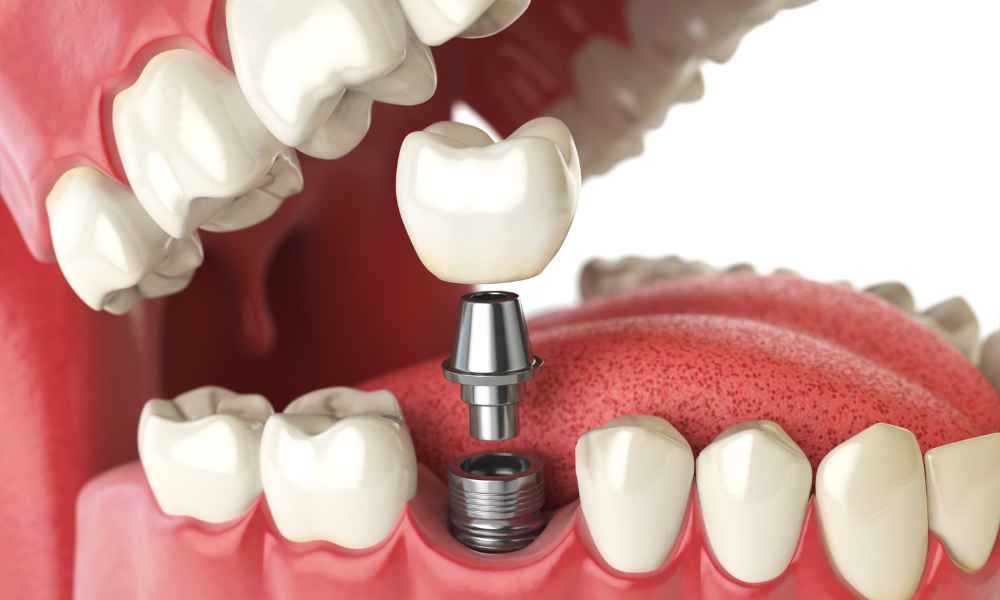
Dental implants are a popular long-term solution for replacing missing teeth. They involve placing a small titanium or other suitable implant into the jawbone to act as an artificial tooth root.
Once the implant has integrated with the surrounding bone, a dental crown is attached to restore the appearance and function of the missing tooth.
Benefits of Dental Implants:
- Look and feel similar to natural teeth.
- Provide strong support when chewing.
- Help maintain jawbone structure.
- Do not require grinding down neighbouring healthy teeth.
- Can last many years with proper care.
Things to Consider:
Dental implant treatment involves a surgical procedure and requires sufficient bone support. Some patients may need additional procedures, such as bone grafting, before implant placement.
Treatment can also take several months because the implant needs time to integrate with the jawbone.
Dental implants may be suitable for people who want a fixed, long-term replacement for one or more missing teeth.
2. What Are Dental Bridges?
A dental bridge is a fixed dental restoration used to replace one or more missing teeth. It typically consists of an artificial tooth supported by neighbouring natural teeth or dental implants.
With a traditional dental bridge, the teeth on either side of the gap are prepared to support dental crowns. The replacement tooth sits between them, filling the missing space.
Benefits of Dental Bridges:
- Provide a fixed replacement for missing teeth.
- Usually require less treatment time than implants.
- Restore chewing and speaking functions.
- Do not require surgery when using natural teeth for support.
- Can provide a natural-looking appearance.
Things to Consider:
Traditional bridges generally require altering the neighbouring teeth to support the restoration. This means healthy tooth structure may need to be removed.
Bridges also require proper cleaning underneath and around the replacement tooth to prevent plaque accumulation and gum problems.
They may be a suitable option for patients who have healthy supporting teeth and want a fixed replacement without implant surgery.
3. What Are Dentures?
Dentures are removable dental appliances designed to replace missing teeth. They can replace a few missing teeth or an entire set of upper or lower teeth.
Partial dentures are used when some natural teeth remain, while complete dentures replace all teeth in the upper or lower jaw.
Benefits of Dentures:
- Can replace multiple missing teeth.
- Usually have a lower initial cost than implants.
- Do not always require surgery.
- Can be removed for cleaning.
- Offer a practical solution for extensive tooth loss.
Things to Consider:
Dentures may take time to get used to, particularly when eating and speaking. Some patients experience movement or discomfort, especially if the dentures do not fit properly.
Over time, changes in the jawbone and gums can affect how dentures fit. Adjustments, relining or replacement may be required.
Dentures can be a suitable option for people who need to replace several or all missing teeth.
4. Dental Implants vs Bridges vs Dentures: Key Differences
Understanding the main differences can help you compare these treatments.
| Feature | Dental Implants | Dental Bridges | Dentures |
| Type | Fixed | Fixed | Removable |
| Surgery | Usually required | Usually not required | Usually not required |
| Appearance | Natural-looking | Natural-looking | Natural-looking |
| Treatment time | Several months | Often a few weeks | Varies |
| Bone support | Helps preserve bone around the implant | Does not replace the tooth root | Does not prevent ongoing bone loss |
| Maintenance | Brushing and flossing | Special cleaning around the bridge | Daily removal and cleaning |
| Longevity | Can last many years | Often 5–15 years | May need periodic replacement |
Actual treatment times and longevity vary depending on individual circumstances, materials and oral health.
5. Which Tooth Replacement Option Is Right for You?
There is no single solution that works for everyone. Your dentist will consider your dental condition, treatment preferences and long-term goals.
Here is a general guide:
Dental Implants: May be suitable if you want a fixed replacement and have sufficient jawbone support and good oral health.
Dental Bridges: May be suitable if the neighbouring teeth can support a bridge and you prefer a fixed option without implant surgery.
Dentures: May be suitable if you have several missing teeth, need to replace a full set or prefer a removable and generally more affordable solution.
Your dentist may also discuss implant-supported bridges or dentures, which combine implant support with other restoration options.
6. What Factors Should You Consider Before Choosing?
Before deciding on a treatment, discuss the following with your dentist:
- Budget: Compare initial treatment costs and long-term maintenance expenses.
- Oral health: Gum disease, tooth decay and existing dental problems may need treatment first.
- Jawbone condition: Bone density and volume can affect implant suitability.
- Number of missing teeth: Replacing one tooth is different from replacing several teeth.
- Lifestyle: Consider whether you prefer a fixed or removable replacement.
- Long-term maintenance: Understand the cleaning and follow-up care required.
A professional dental examination and appropriate imaging can help determine the most suitable treatment.
Final Thoughts
Dental implants, bridges and dentures can all help restore your smile and improve everyday oral function. However, each option has different advantages, limitations, treatment requirements and costs.
Implants offer a fixed replacement that can help preserve the surrounding jawbone. Bridges provide a fixed solution supported by neighbouring teeth or implants, while dentures offer a removable option for replacing one or multiple missing teeth.
If you have a missing tooth and are unsure which treatment to choose, speak with your dentist.
Top Ryde Dentists can help you understand your tooth replacement options and assess which treatment may suit your oral health needs. Book a dental consultation to discuss restoring your smile and improving your oral health.