
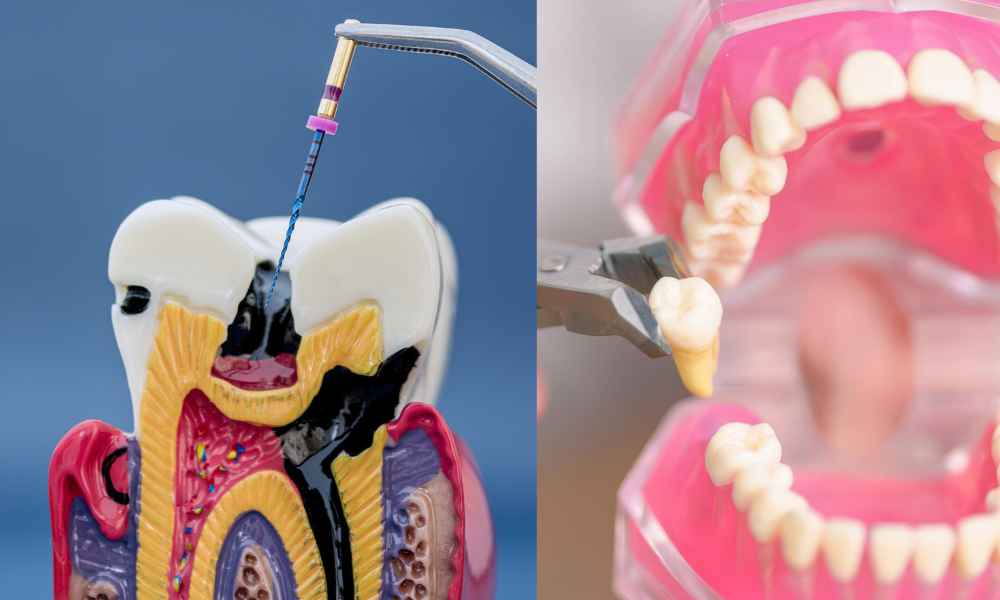
When you have a severely damaged or infected tooth, one of the biggest questions is whether you need a root canal or a tooth extraction. Both treatments can help address dental problems, but they serve different purposes.
A root canal aims to save your natural tooth by removing infected tissue from inside it, while an extraction involves removing the entire tooth. The right treatment depends on the condition of your tooth, the extent of the damage and your overall oral health.
Understanding the differences can help you feel more confident when discussing treatment options with your dentist.
1. What Is a Root Canal Treatment?
A root canal is a dental procedure used to treat infection or inflammation inside a tooth. The inner part of a tooth, known as the pulp, contains nerves and blood vessels. When bacteria enter this area through deep decay, cracks or injury, infection can develop.
During root canal treatment, the dentist removes the infected or damaged pulp, cleans and disinfects the root canals, and seals the space to prevent further infection.
A dental crown may also be recommended to protect the treated tooth and restore its strength.
Common signs that you may need a root canal include:
- Persistent toothache or throbbing pain.
- Sensitivity to hot and cold temperatures.
- Swelling around the affected tooth.
- Pain when biting or chewing.
- Darkening or discolouration of the tooth.
- A recurring gum abscess near the tooth.
However, some infected teeth may not cause noticeable symptoms. A dental examination is important to identify the problem.
2. When Is Tooth Extraction Necessary?
Tooth extraction involves completely removing a tooth from its socket. Dentists generally recommend this option when a tooth cannot be saved or when keeping it could affect surrounding teeth and oral health.
Some common reasons for tooth extraction include:
- Severe tooth decay that has destroyed most of the tooth.
- Extensive cracks or fractures below the gumline.
- Advanced gum disease causing significant tooth support loss.
- Severe infection where the tooth cannot be predictably restored.
- Overcrowding that requires orthodontic treatment.
- Certain problematic wisdom teeth.
After extraction, your dentist will discuss whether the missing tooth should be replaced with a dental implant, bridge or denture.
Replacing a missing tooth may help maintain chewing function and prevent unwanted movement of neighbouring teeth.
3. How Do Dentists Decide Between Root Canal and Extraction?
Dentists consider several factors before recommending either treatment. Their main goal is to protect your oral health while choosing a treatment that offers a reliable long-term outcome.
a. Condition of the Natural Tooth
The dentist checks how much healthy tooth structure remains. If enough of the tooth is present to support a restoration, root canal treatment may be a suitable option.
However, if the tooth is severely broken or damaged below the gumline, extraction may be necessary.
b. Extent of Infection
Dental X-rays help dentists examine the roots, surrounding bone and areas of infection.
If the infection can be treated and the tooth restored, a root canal may help preserve it. If the damage is too extensive, extraction may provide a better outcome.
c. Gum and Bone Health
Healthy gums and supporting bone are important for keeping natural teeth stable.
If advanced gum disease has caused significant bone loss, saving the affected tooth may not be practical.
d. Long-Term Treatment Outcomes
Dentists also consider the expected lifespan of the treated tooth, the cost of treatment, maintenance requirements and your overall dental health.
They explain the advantages and limitations of each option before recommending a treatment plan.
4. Root Canal vs Tooth Extraction: Which Is Better?
Neither treatment is automatically better for every patient. The most suitable option depends on your individual dental condition.
Root canal advantages:
- Preserves your natural tooth.
- Maintains natural biting and chewing function.
- Helps prevent neighbouring teeth from shifting.
- Avoids the immediate need for tooth replacement.
- Can provide long-term results when properly restored and maintained.
Tooth extraction advantages:
- Removes a severely damaged or non-restorable tooth.
- Eliminates the source of infection within the extracted tooth.
- May be more appropriate when extensive damage prevents successful restoration.
- Can provide an opportunity to consider replacement options.
Whenever a tooth can be predictably saved, dentists generally prefer preserving the natural tooth.
5. What Happens After Root Canal Treatment?
Recovery after root canal treatment is usually straightforward. Some tenderness or mild discomfort around the treated tooth may occur for a few days.
Your dentist may recommend avoiding hard foods on the affected side until the final restoration is completed.
Depending on the tooth’s condition, a permanent filling or dental crown may be required.
Maintaining good oral hygiene, brushing twice daily, flossing and attending regular dental check-ups can help protect the treated tooth.
6. What Happens After Tooth Extraction?
After an extraction, a blood clot forms in the empty tooth socket. This clot is important for proper healing.
Your dentist will provide aftercare instructions to help prevent complications.
General recommendations include:
- Avoid smoking during the initial healing period.
- Avoid vigorous rinsing immediately after extraction.
- Eat soft foods while the area heals.
- Avoid disturbing the extraction site.
- Follow your dentist’s instructions about pain relief and oral hygiene.
Contact your dentist if you experience worsening pain, persistent bleeding, fever or increasing swelling.
7. Why Is Early Dental Treatment Important?
Ignoring tooth pain or delaying treatment can allow decay and infection to become more severe.
What begins as a small cavity may eventually reach the dental pulp, potentially requiring root canal treatment or extraction.
Regular dental check-ups allow dentists to identify problems early and recommend appropriate treatment before extensive damage occurs.
If you experience persistent toothache, swelling or sensitivity, arrange a dental examination rather than relying on pain relief alone.
Get Professional Advice Before Choosing a Treatment
Choosing between a root canal and tooth extraction requires a proper dental assessment. While saving your natural tooth is often preferred, extraction may be the more appropriate option when the damage is too extensive.
An experienced dentist can examine your tooth, take dental X-rays and explain the available treatment options based on your condition.
Experiencing tooth pain or dental infection? Contact your dentist to arrange an examination and discuss whether root canal treatment or tooth extraction is the right solution for your oral health.