
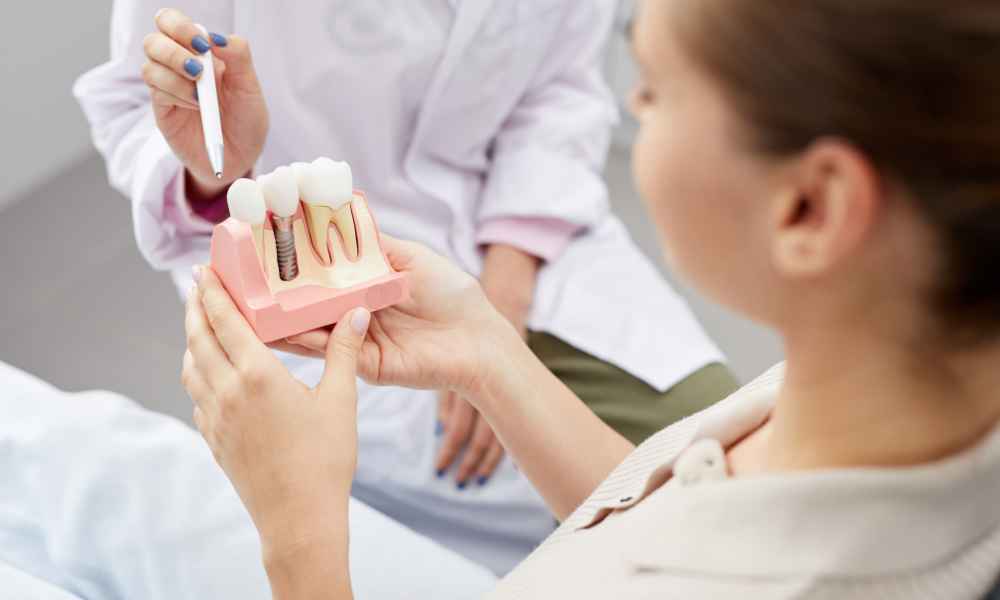
Dental implants are a popular solution for replacing missing teeth and restoring a natural-looking smile. However, one of the most common concerns patients have before treatment is pain. Many people wonder whether dental implant surgery is painful, how long discomfort lasts and what recovery feels like.
The good news is that dental implant procedures are generally well tolerated. Modern dental techniques and effective anaesthesia help minimise discomfort during treatment. While some soreness is expected after surgery, most patients find the recovery manageable.
In this guide, we explain what to expect before, during and after dental implant treatment.
Are Dental Implants Painful During Surgery?
Most patients do not experience pain during dental implant surgery because the treatment is performed under local anaesthesia.
Before starting the procedure, the dentist numbs the treatment area to prevent pain. You may feel some pressure, movement or vibration while the dentist prepares the area and places the implant, but sharp pain should not be expected.
For patients who feel anxious about dental procedures, sedation options may be available depending on their medical history, treatment requirements and dental practice facilities.
The overall experience can vary depending on the number of implants being placed and the complexity of the procedure.
What Does Dental Implant Recovery Feel Like?
After the anaesthesia wears off, it is normal to experience some discomfort around the implant site.
Common symptoms following dental implant surgery include:
- Mild to moderate pain around the treated area.
- Swelling of the gums or face.
- Minor bleeding during the initial recovery period.
- Bruising around the jaw.
- Tenderness when chewing or touching the area.
These symptoms are generally temporary and should gradually improve over the following days.
Your dentist may recommend appropriate pain relief, depending on your individual circumstances, to help manage discomfort during recovery.
How Long Does Pain Last After Dental Implant Surgery?
Recovery varies from person to person, but most patients experience the greatest discomfort during the first two to three days after surgery.
Here is a general overview of what recovery may look like:
First 24 hours: You may experience mild bleeding, swelling and soreness once the local anaesthetic wears off.
Days 2–3: Swelling and discomfort may become more noticeable before gradually improving.
Days 4–7: Most patients begin feeling more comfortable, although some tenderness may remain.
After one week: Many patients can return to their normal daily activities, depending on the complexity of their treatment.
It is important to remember that healing of the jawbone takes much longer than the initial recovery. Dental implants generally require several months to integrate with the surrounding bone.
What Factors Affect Dental Implant Pain?
Not every dental implant procedure involves the same level of discomfort. Several factors can influence how patients feel during recovery.
- Number of Implants: Patients receiving multiple dental implants may experience more swelling and discomfort than those receiving a single implant.
- Bone Grafting: Some patients require bone grafting before or during implant placement. This additional procedure may increase recovery time and temporary discomfort.
- Individual Pain Tolerance: Everyone responds differently to dental procedures. Some people experience only mild soreness, while others may require additional pain management.
- Overall Oral Health: Existing gum problems, infections or other dental conditions may affect treatment planning and recovery.
How to Reduce Pain After Dental Implant Surgery
Following your dentist’s aftercare instructions can help support a comfortable recovery.
Here are some useful tips:
- Take prescribed or recommended pain relief as directed.
- Apply a cold compress externally to help reduce swelling.
- Choose soft foods such as yoghurt, mashed potatoes and scrambled eggs.
- Avoid chewing directly around the implant site.
- Avoid smoking during the healing period.
- Maintain gentle oral hygiene as recommended by your dentist.
- Attend all scheduled follow-up appointments.
Avoid strenuous physical activities immediately after surgery if your dentist advises you to rest.
If pain becomes severe, increases after initially improving, or is accompanied by fever, pus or persistent bleeding, contact your dentist promptly.
Are Dental Implants Worth the Discomfort?
For many patients, dental implants are worth considering because they provide a long-term option for replacing missing teeth.
Some potential benefits include:
- A natural-looking replacement for missing teeth.
- Improved chewing and biting function.
- Support for neighbouring teeth.
- Help maintaining jawbone structure.
- A fixed alternative to removable dentures.
With appropriate care and regular dental check-ups, dental implants can last for many years.
Final Thoughts
Dental implant surgery may sound intimidating, but most patients find the procedure manageable with modern anaesthesia and appropriate aftercare. While temporary swelling and soreness are normal, discomfort generally improves within the first week.
Every patient’s dental needs are different, so a professional consultation is important to determine whether dental implants are suitable for you.
If you are considering dental implants, speak with an experienced dental professional to understand the procedure, recovery expectations and available pain management options.
Frequently Asked Questions
- Are dental implants more painful than tooth extraction?
Both procedures can cause temporary discomfort. The level of pain depends on the complexity of the treatment and individual circumstances.
- Can I go to work the day after dental implant surgery?
Some patients return to work the next day, while others may need additional rest. Your dentist can advise based on your procedure.
- Does getting a dental implant hurt after anaesthesia wears off?
You may experience soreness, tenderness and swelling after the anaesthesia wears off. These symptoms are generally manageable with appropriate pain relief.
- How long does it take for dental implants to heal completely?
Initial recovery often takes around one to two weeks, but complete integration of the implant with the jawbone generally takes several months.
- What should I eat after dental implant surgery?
Soft foods such as yoghurt, scrambled eggs, mashed vegetables and smoothies can be suitable during the initial recovery period. Follow your dentist’s dietary instructions.