
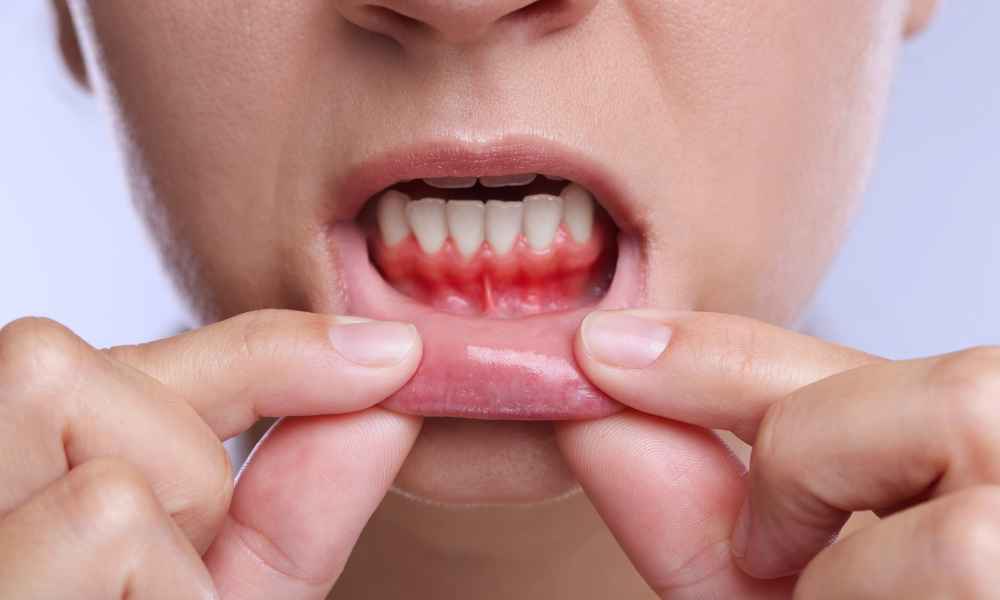
Gum disease is one of the most common oral health problems, yet many people do not realise they have it until symptoms become more noticeable. In its early stages, gum disease can develop without significant pain, making it easy to overlook. Recognising the warning signs early can help you protect your teeth, maintain healthy gums, and avoid more serious dental complications.
Whether you experience occasional bleeding while brushing or persistent bad breath, understanding the early signs of gum disease is an important step towards better oral health.
What Is Gum Disease?
Gum disease, also known as periodontal disease, is an inflammatory condition affecting the tissues surrounding and supporting your teeth. It commonly develops when plaque, a sticky film of bacteria, accumulates along the gumline.
If plaque is not removed regularly, it can harden into tartar, which is more difficult to remove with ordinary brushing and flossing. The bacteria can irritate the gums and cause inflammation.
Gum disease generally develops in two main stages:
- Gingivitis: The early stage, characterised by red, swollen, or bleeding gums. It is usually reversible with effective oral hygiene and professional dental care.
- Periodontitis: A more advanced stage that can damage the tissues and bone supporting the teeth. Treatment can control the condition, but some damage may be permanent.
Identifying gingivitis early can help prevent the condition from progressing.
7 Early Signs of Gum Disease to Watch For
1. Bleeding Gums When Brushing or Flossing
One of the earliest and most common signs of gum disease is bleeding during brushing or flossing. You might notice pink toothpaste foam or blood when rinsing your mouth.
Although brushing too hard can sometimes cause bleeding, regularly bleeding gums should not be ignored. Healthy gums generally do not bleed during normal oral hygiene.
If the bleeding continues, arrange a dental examination to identify the underlying cause.
2. Red or Swollen Gums
Healthy gums are typically firm and pale pink, although their natural colour varies between individuals.
Gums affected by gingivitis may appear red, puffy, swollen, or tender. You may also notice that the gumline looks different from usual.
These changes often occur because bacteria in plaque trigger inflammation. Consistent brushing, cleaning between your teeth, and professional dental advice can help address the problem before it becomes more serious.
3. Persistent Bad Breath
Bad breath, also called halitosis, can develop for several reasons, including dry mouth, certain foods, and oral health conditions.
When gum disease is present, bacteria can accumulate around the gums and between the teeth, producing unpleasant-smelling compounds.
If bad breath persists despite brushing, flossing, and cleaning your tongue, consider booking a dental appointment. A dentist can determine whether gum disease or another oral health issue is contributing to the problem.
4. Tender or Sensitive Gums
Inflamed gums may feel tender when you brush, floss, or eat certain foods. Some people experience discomfort when touching the gumline, while others notice sensitivity without obvious pain.
Although gum tenderness can have several causes, ongoing discomfort may indicate inflammation or infection.
Avoiding brushing the affected area is not the solution. Instead, use a soft-bristled toothbrush and seek professional advice if symptoms continue.
5. Gums That Appear to Be Receding
Gum recession occurs when the gum tissue moves away from the tooth, exposing more of its surface or sometimes the tooth root.
You may notice that your teeth appear longer than before or that certain areas have become more sensitive to hot and cold temperatures.
Gum recession can be associated with periodontitis, but it can also result from aggressive brushing, genetics, or other factors. A dental professional can identify the cause and recommend appropriate treatment.
6. Changes in the Fit of Your Teeth
Changes in how your teeth fit together when you bite can sometimes indicate an underlying dental problem.
In advanced gum disease, damage to the tissues and bone supporting the teeth may cause teeth to become loose or shift position.
These are not usually early signs of simple gingivitis. However, any unexplained tooth movement or looseness should be assessed promptly by a dentist.
7. Gum Discomfort That Keeps Returning
Repeated gum inflammation, swelling, or discomfort may suggest that plaque is accumulating around the gumline or that an underlying condition needs attention.
Symptoms may temporarily improve with better brushing but return if the cause has not been addressed.
Regular dental examinations can help identify gum problems that may not be obvious at home.
How Can You Help Prevent Gum Disease?
Good oral hygiene plays an important role in preventing and managing early gum disease. Consider these everyday habits:
- Brush twice daily with fluoride toothpaste.
- Clean between your teeth every day using floss or suitable interdental brushes.
- Replace your toothbrush when the bristles become worn.
- Avoid smoking, which increases the risk of gum disease.
- Attend regular dental check-ups and professional cleaning appointments as recommended.
- Maintain a balanced diet and manage health conditions that may affect your gum health.
These habits help reduce plaque and support healthier gums.
When Should You Visit a Dentist?
Book a dental appointment if you regularly experience bleeding gums, persistent bad breath, swelling, gum recession, or ongoing tenderness. Early assessment can help prevent gum disease from progressing.
If you notice pus around the gums, significant swelling, severe pain, or a loose adult tooth, seek urgent dental care. Facial swelling accompanied by difficulty breathing or swallowing requires emergency medical attention.
A dentist can examine your gums, assess the spaces around your teeth, and recommend appropriate treatment based on the severity of the condition.
Conclusion
Recognising the early signs of gum disease can make a significant difference to your long-term oral health. Bleeding gums, redness, swelling, persistent bad breath, and gum tenderness are symptoms worth paying attention to, even when they do not cause significant pain.
With effective daily oral hygiene and regular professional dental care, early gum disease can often be managed before it progresses to more serious problems.
If you have noticed changes in your gums, do not wait for the symptoms to worsen. Seeking advice from a dental professional is an important step towards maintaining healthy gums and a confident smile.