
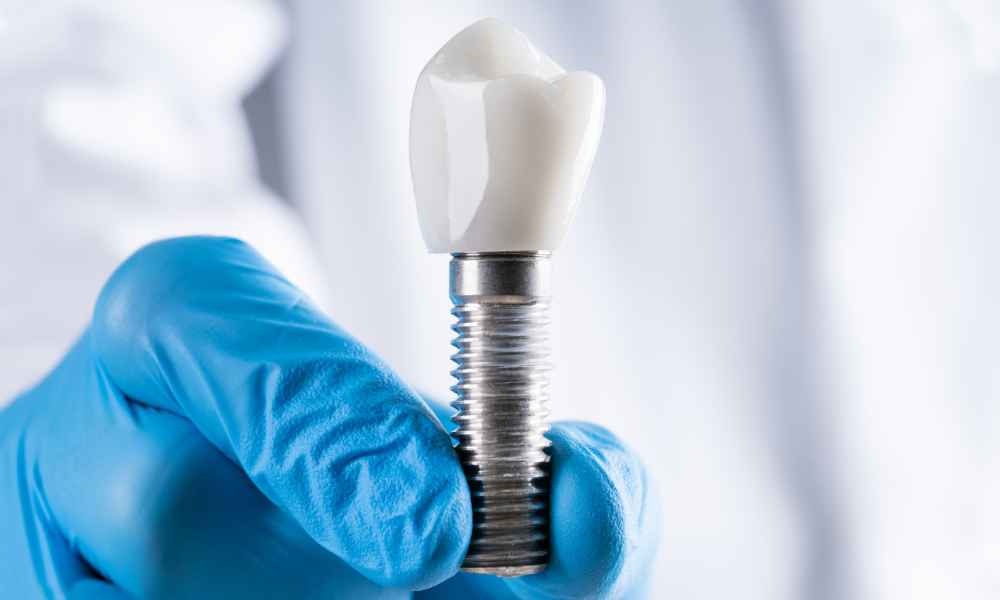
Missing or damaged teeth can affect more than your appearance. They can also impact your ability to eat, speak, and smile with confidence. Fortunately, dental implants offer a long-lasting solution that looks and feels like a natural tooth. However, many people are unsure when they should consider this treatment.
If you notice any of the following signs, it may be time to speak with your dentist about dental implants.
1. You Have a Missing Tooth
A missing tooth is the most common reason to consider a dental implant. Whether you lost the tooth through injury, decay, or gum disease, leaving the gap untreated can create further problems.
Over time, nearby teeth may shift into the empty space. As a result, your bite can become uneven. Additionally, the surrounding jawbone may begin to shrink because it no longer receives stimulation from the missing tooth root.
A dental implant replaces both the tooth root and the visible tooth. Therefore, it helps maintain proper alignment while supporting long-term oral health.
2. Your Dentures or Bridge Feel Loose
Traditional dentures and bridges can become uncomfortable as your mouth changes over time. You may notice slipping while eating or speaking. Furthermore, loose dentures often cause sore spots and irritation.
Dental implants provide a secure foundation for replacement teeth. Unlike removable dentures, implants stay firmly in place. Consequently, you can enjoy meals, laugh freely, and speak with greater confidence.
If you constantly adjust your dentures, implant-supported options may offer a more comfortable solution.
3. You Have Difficulty Chewing Certain Foods
Healthy teeth should allow you to eat a wide variety of foods comfortably. However, damaged or missing teeth often make chewing painful or difficult.
You may avoid crunchy fruits, nuts, or tougher meats because of discomfort. Unfortunately, limiting your diet can affect your nutrition over time.
A dental implant restores normal chewing function. As a result, you can enjoy your favourite foods without unnecessary pain or worry. Moreover, balanced chewing helps protect your remaining natural teeth.
4. Your Jawbone Is Starting to Shrink
Jawbone loss often begins after a tooth is lost. Since the tooth root no longer stimulates the bone, the body gradually absorbs the unused bone tissue.
This process may change your facial appearance. Your cheeks can appear sunken, and your face may look older than it is. In addition, continued bone loss may make future dental treatment more complicated.
Dental implants help preserve the jawbone by acting like natural tooth roots. Therefore, they support bone health while maintaining your facial structure.
Early treatment usually provides the best long-term outcome.
5. You Have a Severely Damaged Tooth That Cannot Be Saved
Not every damaged tooth requires removal. In many cases, fillings, crowns, or root canal treatment can restore the tooth successfully. However, some teeth become too damaged to repair.
Severe fractures, advanced decay, or extensive infection may leave extraction as the only practical option. Once the tooth is removed, replacing it quickly becomes important.
A dental implant fills the gap while preventing neighbouring teeth from shifting. Furthermore, it restores both appearance and function with a natural-looking result.
Benefits of Choosing Dental Implants
Dental implants offer several advantages over other tooth replacement options. They provide excellent stability while blending naturally with your smile.
Some key benefits include:
- Natural appearance and feel
- Strong and secure bite
- Improved speech and comfort
- Long-lasting results with proper care
- Protection against jawbone loss
- Better support for surrounding teeth
- No need to remove them for cleaning
Additionally, dental implants can last for many years with regular dental check-ups and good oral hygiene.
Who Is a Good Candidate for Dental Implants?
Many adults qualify for dental implant treatment. Generally, good candidates have healthy gums and enough jawbone to support the implant.
Even if bone loss has already occurred, modern procedures such as bone grafting may make treatment possible. Therefore, an assessment with an experienced dentist is the best way to determine your suitability.
Your dentist will evaluate your oral health, medical history, and treatment goals before recommending the most appropriate option.
Don’t Ignore the Warning Signs
Ignoring a missing or damaged tooth may lead to additional dental problems. Tooth movement, bone loss, and bite changes often become more difficult to treat over time.
Fortunately, dental implants provide a reliable and long-term solution for many patients. They restore confidence, improve oral function, and help maintain overall dental health.
If you recognise any of these five signs, schedule a consultation with your dentist. Early treatment can help preserve your smile and prevent future complications.
Conclusion
Dental implants are one of the most effective ways to replace missing or severely damaged teeth. They improve comfort, restore chewing ability, and protect your jawbone for years to come. Whether you have lost one tooth or several, recognising the early signs allows you to seek treatment before more serious problems develop. Speak with your dentist to find out whether dental implants are the right solution for restoring your healthy, confident smile.